

In the event that you drive a stick-move vehicle, at that point you may have a few inquiries drifting in your mind.
How does the amusing "H" design that I am moving this change handle through have any connection to the gears inside the transmission? What is moving inside the transmission when I move the shifter?
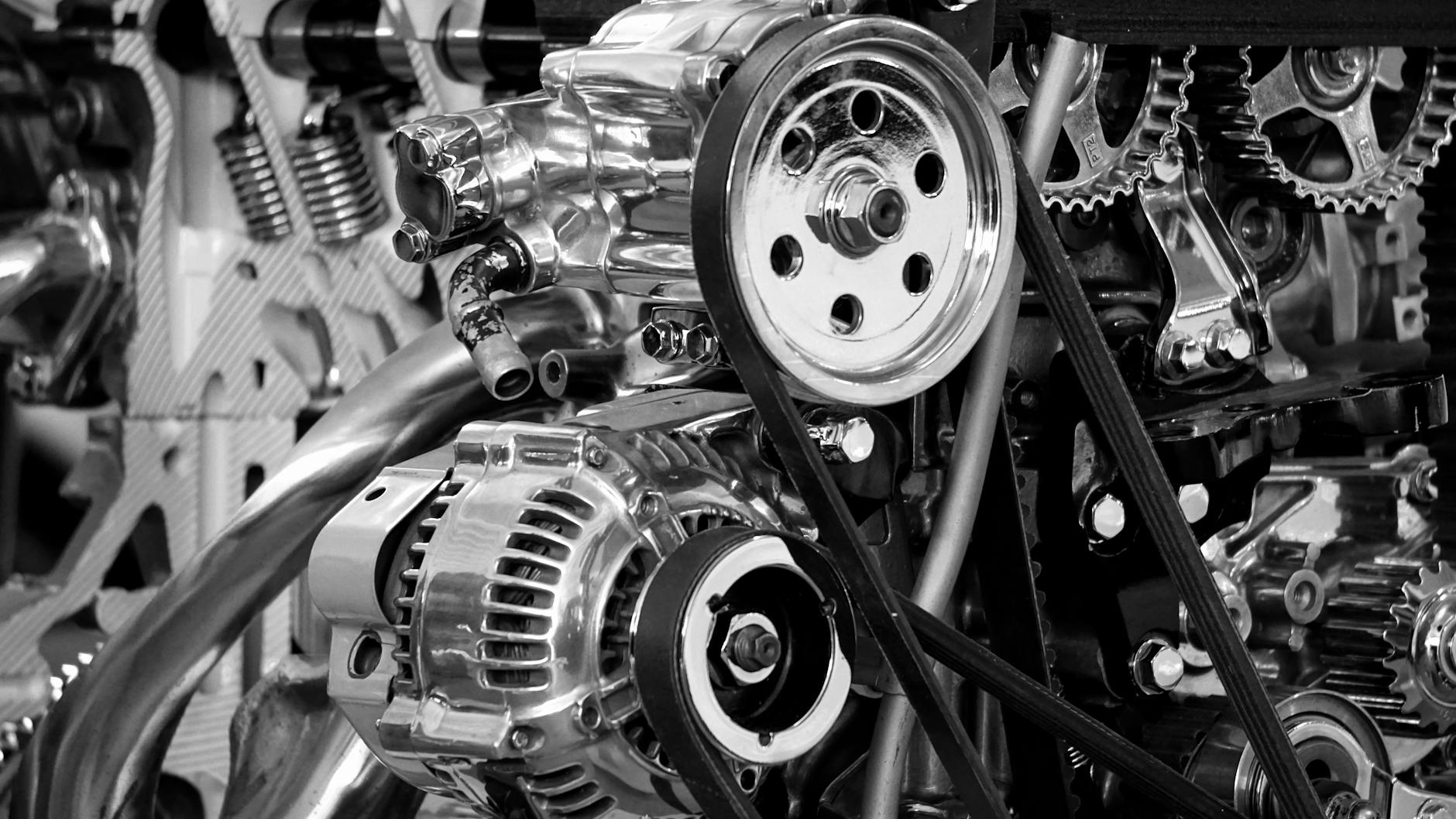 |
| How Manual Transmissions Work of Car 2020 Techzauto |
When I mess up and hear that unpleasant granulating sound, what is really pounding? What might occur on the off chance that I was to coincidentally move into switch while I am speeding down the expressway? Would the whole transmission detonate?
In this article, we'll answer these inquiries and more as we investigate the inside of a manual transmission.
Vehicles need transmissions due to the material science of the gas motor. In the first place, any motor has a redline — a most extreme rpm esteem above which the motor can't abandon detonating. Second, in the event that you have perused How Horsepower Works, at that point you realize that motors have slender rpm ranges where strength and torque are at their most extreme. For instance, a motor may create its greatest strength at 5,500 rpm. The transmission permits the rigging proportion between the motor and the drive wheels to change as the vehicle accelerates and eases back down. You change gears so the motor can remain underneath the redline and close to the rpm band of its best execution.
In a perfect world, the transmission would be so adaptable in its proportions that the motor could generally run at its single, best-execution rpm esteem. That is the thought behind the consistent factor transmission (CVT). We'll discuss that next.
If you liked what this post is or got to learn something, please share this post to Social Networks such as Facebook, Twitter, and other Social media sites.




 Hello, This is Avi. I'm a 25 year old self-employed.Techz Auto is a Blog for all about information providers like Techz, Blog, Website, Hosting, Tech News, Youtube Help, Apps, Automotive information, etc.
0 Comments
Please do not enter any spam link in the Comment Box